
Bilayer polylactide/polycaprolactone scaffolds with hydroxyapatite and glucosamine sulfate and an electrospun gelatin–chondroitin sulfate fabric for osteochondral-inspired designs
Anna Morawska-Chochół , João Gabriel Antoniazzi, Murilo Daniel de Mello Innocentini
, João Gabriel Antoniazzi, Murilo Daniel de Mello InnocentiniVol. 20., No.6., Pages 579-593, 2026
DOI: 10.3144/expresspolymlett.2026.44
DOI: 10.3144/expresspolymlett.2026.44
Corresponding author: Anna Morawska-Chochół 
GRAPHICAL ABSTRACT
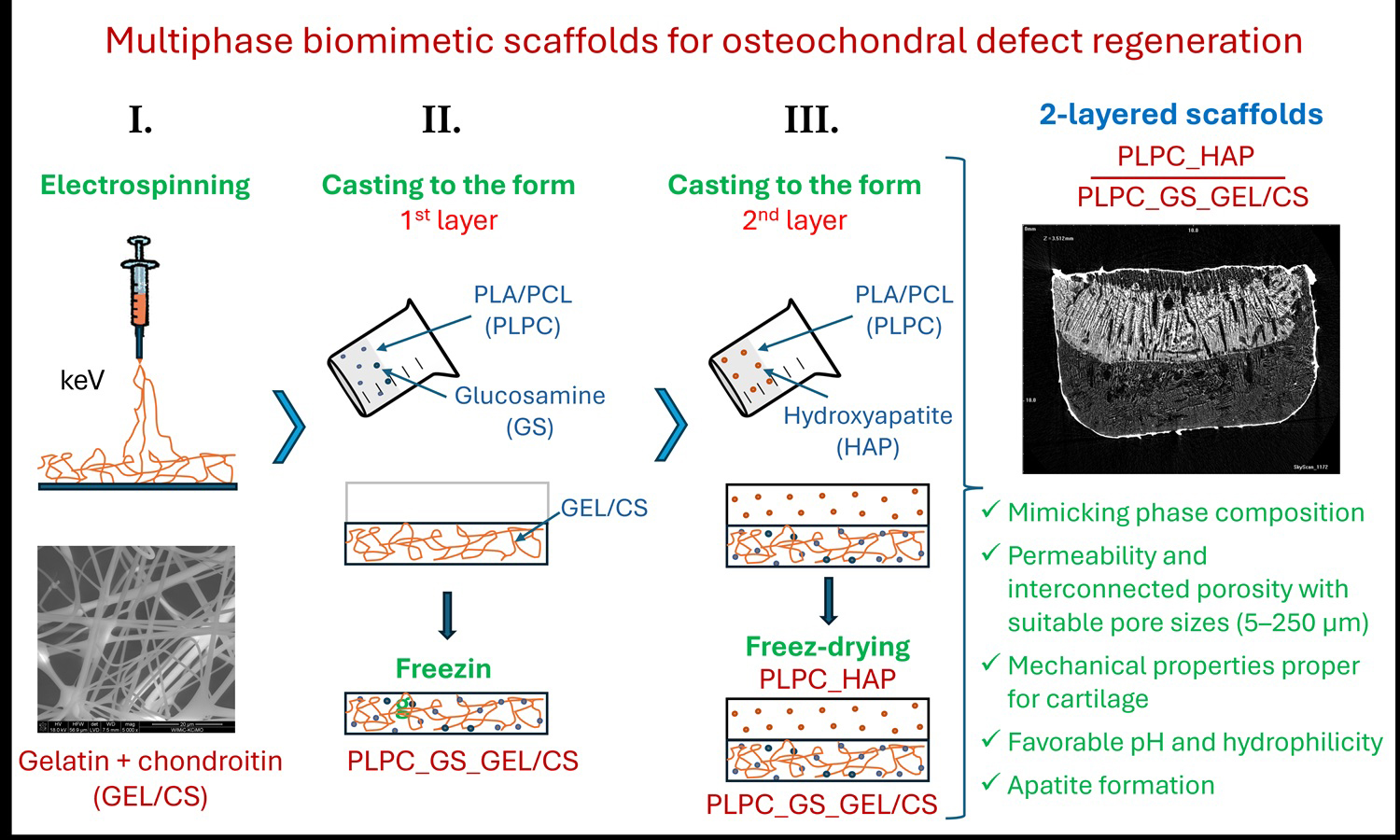
ABSTRACT
This study reports the fabrication and evaluation of layered scaffolds based on polylactide/polycaprolactone (PLPC) matrices for osteochondral-inspired designs. Bilayer architectures comprised a bone-facing layer with mineral phase (PLPC containing hydroxyapatite, HAP) and a cartilage-facing layer (PLPC containing only glucosamine sulfate (GS) or with simultaneous use of GS and an integrated electrospun gelatin/chondroitin sulfate (GEL/CS) fabric). The scaffolds exhibited interconnected porosity (55–60%) with a pore-size gradient (5–250 μm). Mechanical testing showed compressive strength up to 1 MPa and a layer-dependent compressive modulus, remaining within ranges reported for osteochondral tissues after six weeks of incubation. The layered configuration provided controlled GS release and reduced incubation-induced acidification; FTIR/XRD confirmed apatite precipitation in phosphate-buffered saline (PBS), enhanced when the GEL/CS fabric was present. After incubation, surface wettability shifted toward increased hydrophilicity, and permeability was modulated by scaffold composition, indicating tunable fluid-transport behavior. Overall, spatial separation of additives combined with a fibrous GEL/CS modifier enables control over mechanical response, release/medium evolution during incubation, and in vitro apatite-forming ability in PBS in a bilayer PLPC scaffold system.
RELATED ARTICLES
Malgorzata Latos-Brozio, Aleksandra Drzazga, Anna Masek, Zdzisława Mrozińska, Marcin H. Kudzin
Vol. 20., No.7., Pages 742-760, 2026
DOI: 10.3144/expresspolymlett.2026.56
Vol. 20., No.7., Pages 742-760, 2026
DOI: 10.3144/expresspolymlett.2026.56
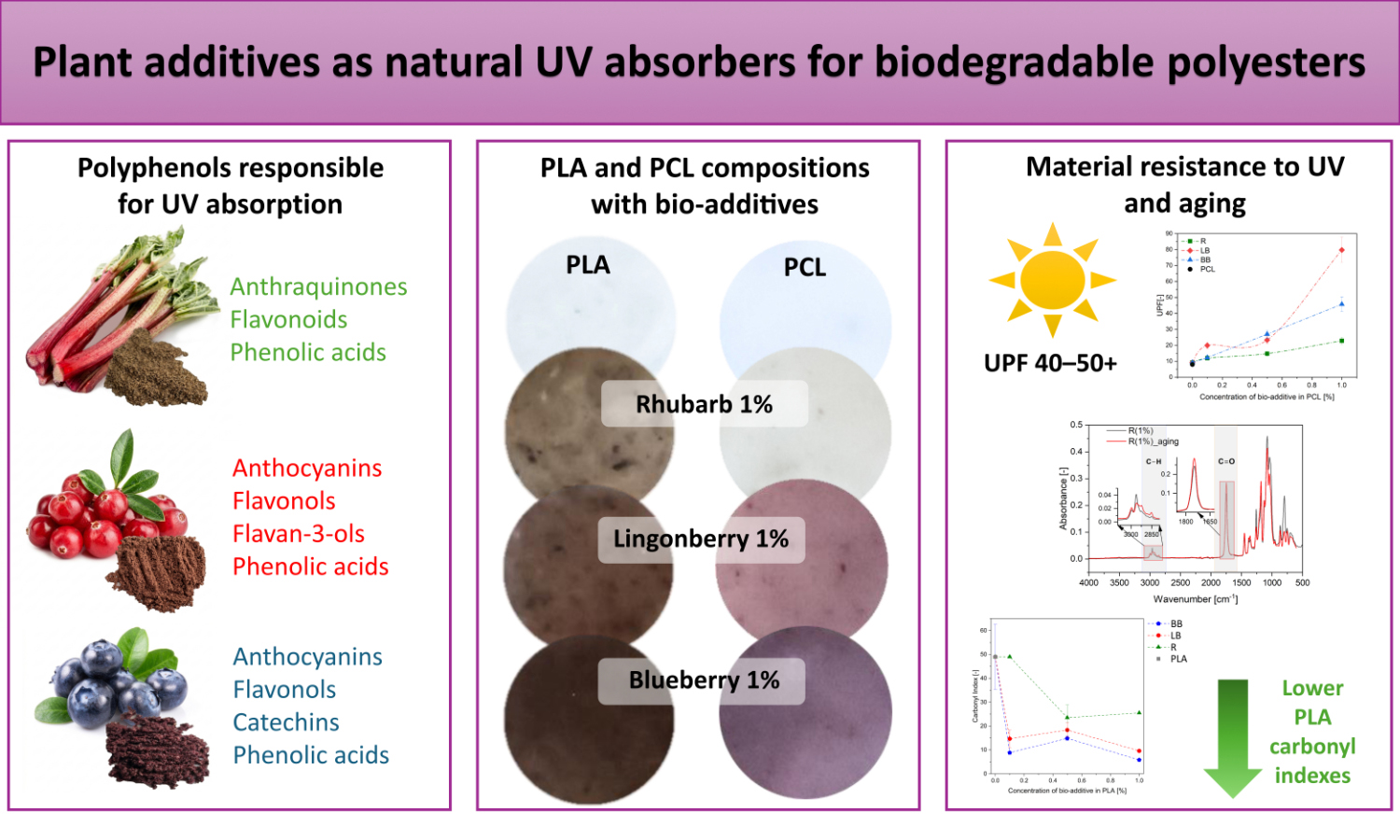
We investigated the effectiveness of plant-based bio-additives – rhubarb, lingonberry, and blueberry (0.1–1%) – as natural UV absorbers in biodegradable polymers polylactide (PLA) and polycaprolactone (PCL). A novelty of this work is the direct use of plant-based raw materials as UV absorbers in polymers. We performed Fourier transformed infrared spectroscopy (FT-IR) and UV-Vis analysis of the bio-additives, determined the ultraviolet protection factor (UPF) for the polymer samples, and evaluated their physicochemical properties (structural changes, colour, hardness, surface energy) after weathering (PLA) and thermo-oxidative (PCL) aging. Spectroscopic tests confirmed the presence of UV-A/UV-B-absorbing chromophores in the additives. Samples with 1% berries had excellent UV protection (UPF 40–50+), while PLA and PCL containing 1% rhubarb had lower UPF values (around 22), indicating good UV blocking properties. After aging, PLA-containing berries showed a significantly lower carbonyl index (CI), indicating reduced photodegradation. For PCL with lingonberry, this additive gave the greatest reduction in thermo-oxidative degradation (lowest CI). All plant additives increased material hardness by acting as nucleating agents; they increased the crystallinity of polyester, and aging further strengthened this effect. Bio-additives, especially berries, can increase the hardness and UV resistance of polymers and limit material aging. These polymer compositions are suitable for packaging materials.
Xuecheng Lu, Ke Feng, Zhiqiang Zhang, Xuyan Lü, Yujie Xiao, Haijun Wang
Vol. 20., No.4., Pages 371-382, 2026
DOI: 10.3144/expresspolymlett.2026.29
Vol. 20., No.4., Pages 371-382, 2026
DOI: 10.3144/expresspolymlett.2026.29
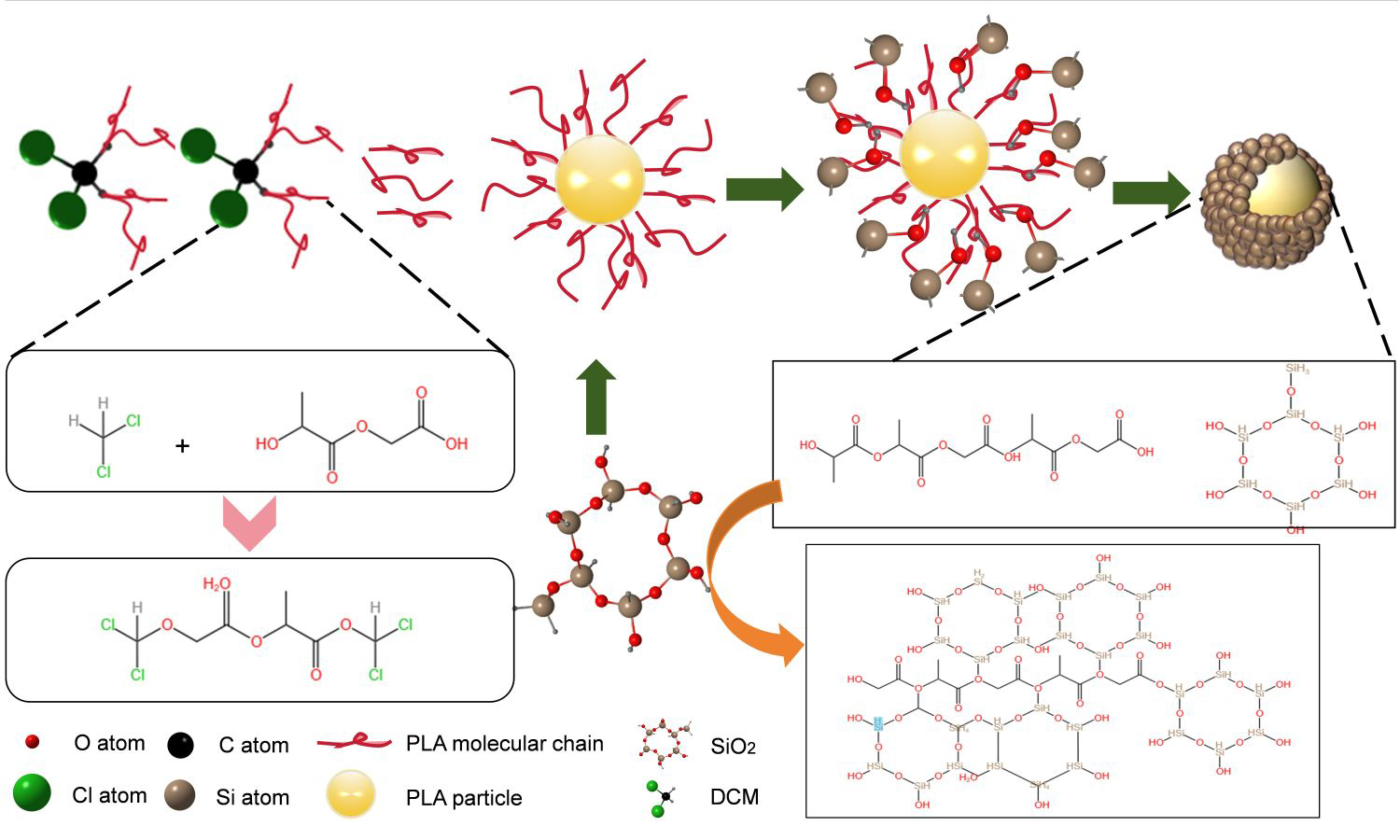
To improve the toughness, thermal stability, and melt processability of polylactic acid (PLA), this study introduced chlorinated polyethylene-polyethylene glycol (CPE-PEG, 10 wt%) into the PLA matrix and investigated the effect of the content of nano-SiO2 surface-modified with the silane coupling agent KH570 (K-SiO2) on the composite properties. Composite filaments were prepared via single-screw extrusion, and standard specimens were printed using fused deposition modeling (FDM) technology. Comprehensive characterization indicated that the composite achieved optimal mechanical properties at a K-SiO2 content of 1.5 wt%; simultaneously, the material’s thermal stability and crystallization behavior were optimized. Rheological behavior demonstrated that K-SiO2 could regulate the melt viscoelasticity, broadening the FDM processing window. This study provides an effective strategy for developing high-performance PLA composites for FDM printing.
Delia Mihaela Raţă, Anca Niculina Cadinoiu, Luiza Mădălina Grădinaru, Paul Codrin Fuioaga, Gabriela Vochita, Christelle Delaite, Leonard Ionuţ Atanase
Vol. 19., No.3., Pages 233-245, 2025
DOI: 10.3144/expresspolymlett.2025.18
Vol. 19., No.3., Pages 233-245, 2025
DOI: 10.3144/expresspolymlett.2025.18
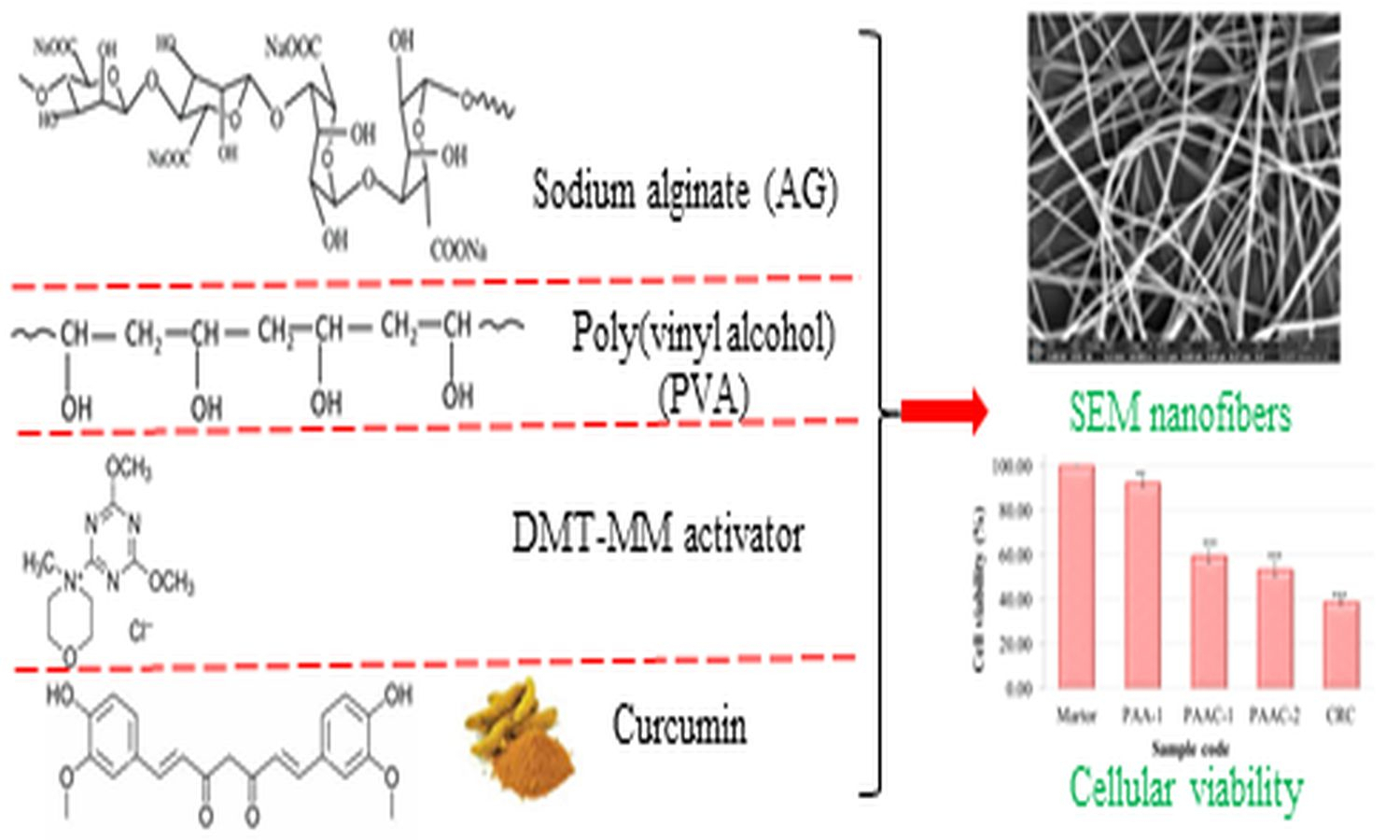
Curcumin (CRC) is a natural active principle with important anti-inflammatory, antioxidant, antibacterial, and antitumor properties but has some limitations, such as poor bioavailability, low water solubility, and rapid metabolism. To preserve CRC’s benefits and eliminate its limitations, novel CRC-loaded core-shell electrospun nanofibers were designed. The nanofibers were prepared by co-axial electrospinning method using poly(vinyl alcohol)/CRC as core and poly(vinyl alcohol)/sodium alginate as shell. Polymer coating protects the CRC, increasing its stability. The swelling degree of CRCloaded nanofibers at pH 5.4 was around 326% higher than at pH 7.4 (297%) due to the repulsions of the anion-anion COO–groups. The release efficiency of CRC at pH 7.4 was 81%, while at pH 5.4 was about 96%. In the first 6 h, there was a slower release of CRC from the nanofibers in both acidic and slightly alkaline environments. Nanofibers showed good hemocompatibility, the values being between 2.36–3.22% after the first 90 min of contact, and after 180 min of treatment, the degree of erythrocyte lysis was between 3.78 and 4.93%. Cell viability assay on V79-4 Chinese hamster fibroblasts demonstrated that treatment with free CRC led to a value of 39% whereas for CRC-loaded nanofibers, the cell viability value increased to 59.66%. The results of the present study indicated that CRC-loaded electrospun nanofibers can have great potential for biomedical applications.
André da Silva Siqueira, Natália Ferreira Braga, Pablo Andrés Riveros Muñoz, Lucas Freitas de Freitas, Aryel Heitor Ferreira, Guilhermino Jose Macêdo Fechine
Vol. 18., No.6., Pages 656-672, 2024
DOI: 10.3144/expresspolymlett.2024.48
Vol. 18., No.6., Pages 656-672, 2024
DOI: 10.3144/expresspolymlett.2024.48
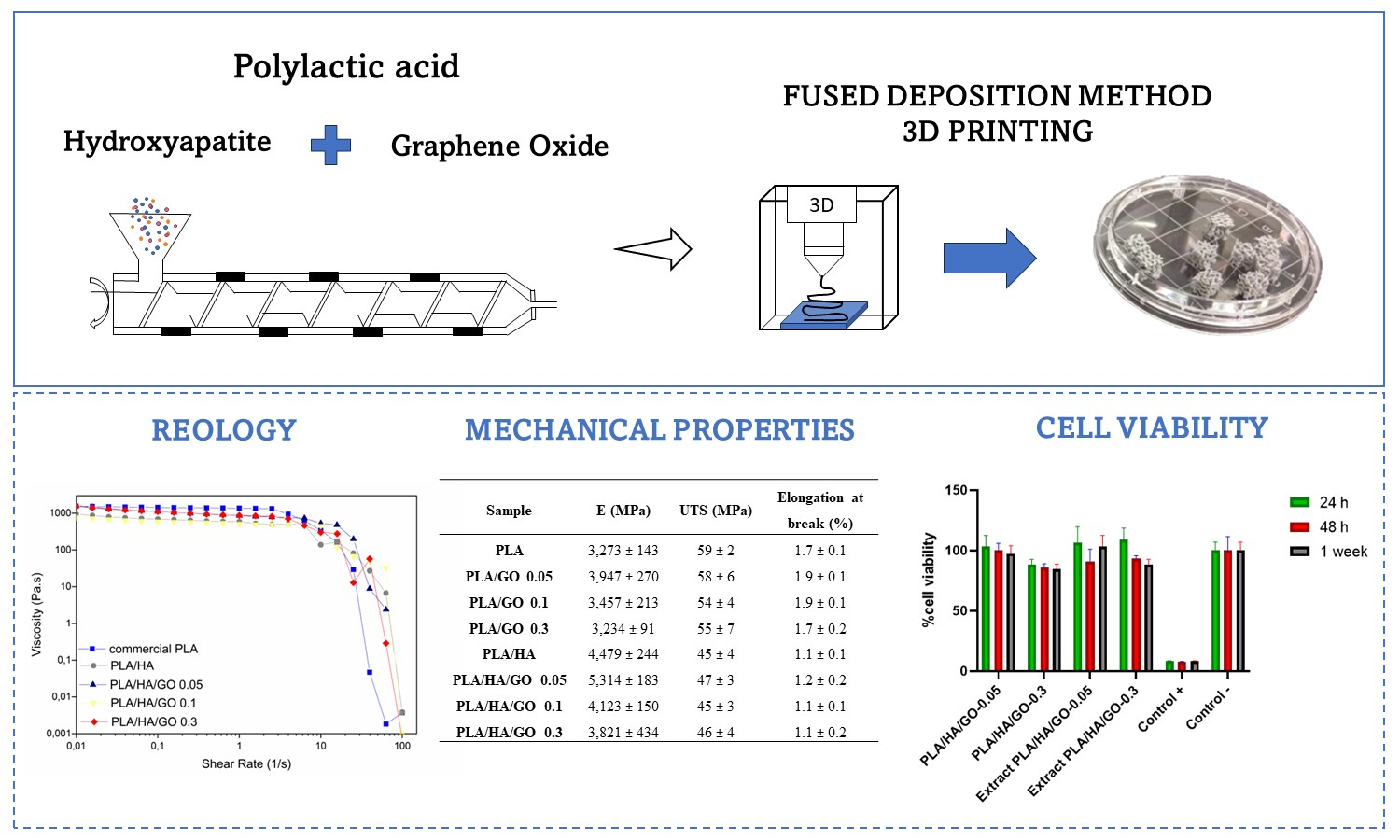
Extensive research and practical applications have been conducted within the biomaterials domain, focusing on polylactic acid (PLA) based composite. These composites have been explored for their favorable attributes, such as excellent processability, biodegradability, and bioactivity properties, but still lack mechanical properties. In this work, PLA-based nanocomposites were prepared by incorporating hydroxyapatite (HA) and graphene oxide (GO) via melt mixing (extruder). Filaments were obtained to develop scaffolds through 3D printing, utilizing the fused deposition method (FDM). The GO was produced using Hummer’s method and characterized by X-ray diffraction (XRD), thermogravimetric analysis (TGA), and Raman Spectroscopy. The composites were analyzed using Fourier-transform infrared spectroscopy (FTIR), molecular weight, contact angle measurements, and thermal, mechanical, and rheological analysis. Adding only 0.05 wt% of GO to both PLA and PLA/HA resulted in enhancements in mechanical properties, particularly tensile strength, and significantly modified the surface properties of the materials studied. Specifically, formulation involving PLA/HA/GO was the only one to exhibit rheological properties compatible with the scaffold production process via FDM. These specific formulations were also investigated regarding cytotoxicity, and the presence of GO induces good cytocompatibility in mouse osteoblast cells (MC3T3). These results suggest that FDM technology can be used to fabricate higher-performance (mechanical and biological) scaffolds for tissue engineering.
Flavio Massignan, Gergő Gyulai , Kata Horváti, Szilvia Bősze, Éva Kiss
Vol. 18., No.1., Pages 72-87, 2024
DOI: 10.3144/expresspolymlett.2024.6
Vol. 18., No.1., Pages 72-87, 2024
DOI: 10.3144/expresspolymlett.2024.6
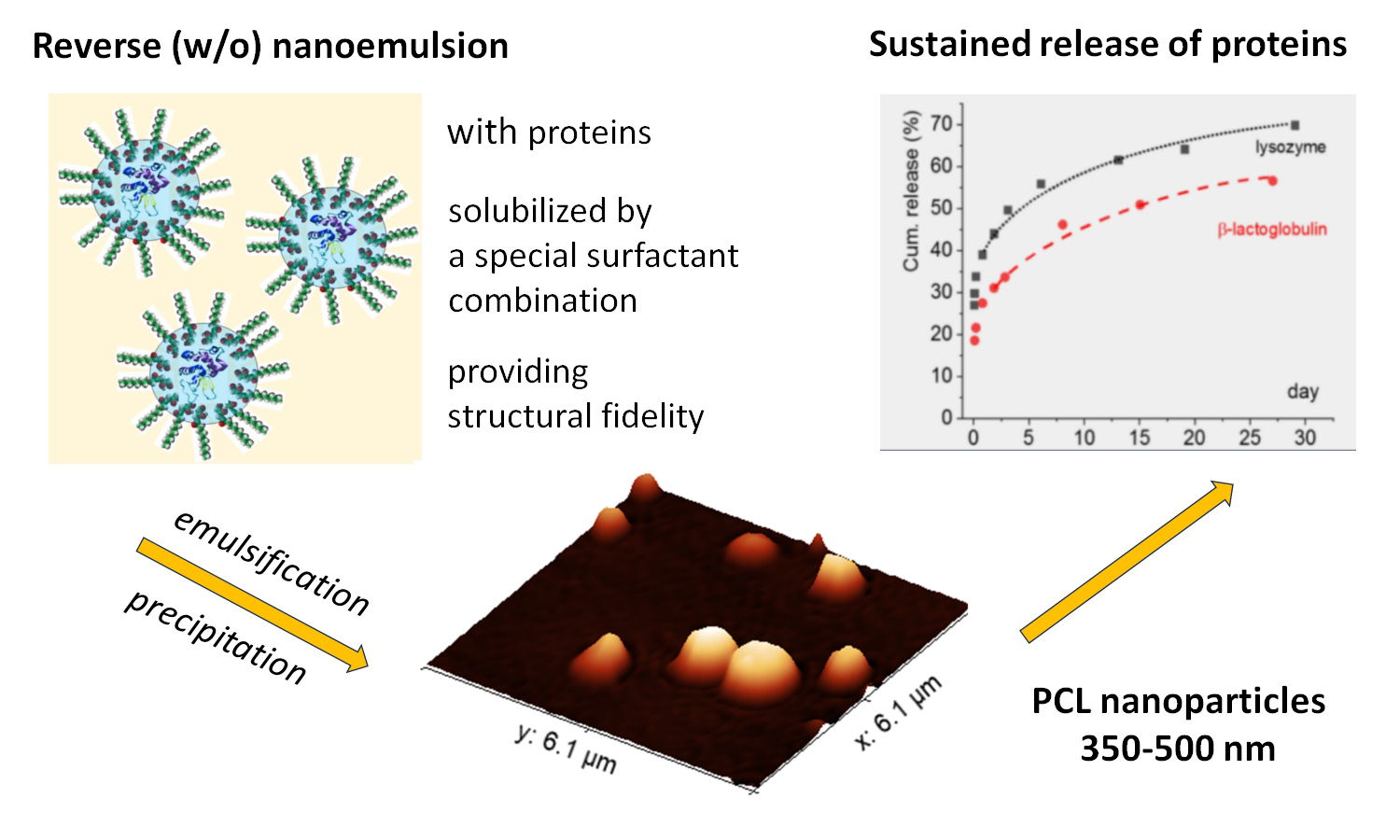
The elaboration of potent delivery systems for peptides/proteins is still a challenge but is increasingly needed in advanced therapy. In the present research, we have developed a nanoencapsulation system for peptides/proteins, which is suitable for the delivery of hydrophilic bioactive compounds. The preparation method combines the advantageous properties of reverse nanoemulsion and nanoprecipitation, resulting in the formation of nanoparticles in the size range of 350–500 nm. The polymeric coating composed of polycaprolactone allows chemical functionalization and protection while the inner microenvironment (containing 1-decanoyl-rac-glycerol and N,N-dimethyldodecylamine N-oxide surfactants) provides aqueous surrounding for the active with structural fidelity. Hen egg white lysozyme and β-lactoglobulin were successfully encapsulated, achieving protein contents of 10–60 μg/mg and encapsulation efficiencies ranging from 5–50% depending on the protein type and loading concentration. In vitro release measurement showed a biphasic sustained release profile of both proteins in the time range of one month. In vitro cytotoxicity investigation of protein-loaded nanoparticles exhibited good cell viability (above 95% at the highest treatment concentration of 0.3 mg/ml). The encapsulated membrane-active peptides have shown improved bioactivity.